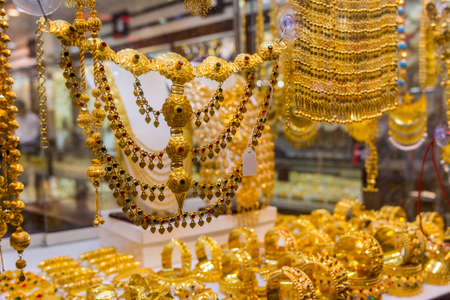

The Cultural Significance of Gold in Indian Festivals and Weddings
Gold holds a unique place in the heart of Indian culture, representing not just wealth but also prosperity, purity, and good fortune. For generations, owning physical gold—whether as jewellery, coins, or bars—has been an essential part of Indian households. Festivals such as Diwali, Akshaya Tritiya, and Dhanteras see families across India queuing up at jewellers to purchase gold, believing it brings blessings and positive energy for the year ahead. During weddings, gifting gold jewellery is more than a tradition; it symbolises a familys love and blessings for the brides new beginnings. This deep cultural connection to gold means that physical gold is more than just an investment—its woven into the very fabric of our celebrations and milestones, making every piece precious and meaningful.
2. What is a Gold ETF? Versus Traditional Gold Jewellery and Coins
Gold has always held a special place in Indian hearts, especially during festivals like Diwali, Akshaya Tritiya, and the grand wedding season. But today, buying gold isn’t just about shiny bangles or glittering coins handed down through generations—there’s a digital twist called Gold ETF. Let’s break it down desi style!
What Exactly is a Gold ETF?
A Gold Exchange Traded Fund (ETF) is basically a way to own gold without actually keeping physical gold at home or in a locker. Instead, you buy units of gold on the stock exchange—each unit typically represents one gram of gold—and it is held securely by the fund. You can buy or sell these units anytime during trading hours using your demat account, just like you would trade shares.
Gold ETF vs Physical Gold: The Typical Indian Dilemma
When it comes to buying gold, most Indian families are torn between traditional jewellery/coins and modern Gold ETFs. Here’s how they stack up:
| Feature | Gold ETF | Physical Jewellery/Coins |
|---|---|---|
| Form | Digital (demat form) | Physical (jewellery/coins) |
| Purity | Standardized (usually 99.5% pure) | Can vary; depends on jeweller/trust factor |
| Storage & Safety | No storage hassle; safe with fund house | Requires locker/safe deposit; risk of theft/loss |
| Making Charges | No making charges | Making/wastage charges can be 8-25% |
| Liquidity | High (buy/sell any time on exchange) | Selling depends on jeweller; may lose value during resale |
| Cultural Value | Lacks emotional/cultural connect for gifting or rituals | Main choice for gifting, weddings, pujas, family occasions |
| Taxation | No GST on purchase; capital gains tax applies if held long-term | 3% GST on purchase; capital gains tax on sale after 3 years |
The Bottomline: Why Indians Still Love Both?
In India, gold is not just an investment—it’s shagun, tradition, and status all rolled into one. While Gold ETFs score high for convenience and safety, nothing beats the sparkle of real gold jewellery during shaadi season or as a gift during Diwali! So before choosing, consider what matters more for your family—tradition or technology?

3. Convenience and Safety: Storage, Security, and Ease of Purchase
When it comes to celebrating festivals like Diwali or preparing for a big fat Indian wedding, gold is always in the spotlight. But the question is, how convenient and secure is it to own real gold versus investing in Gold ETFs? Let’s break down the practicality that matters to every Indian household.
Buying physical gold means a visit to your trusted local jeweller or goldsmith—sometimes even waiting for muhurat (auspicious time) or special festival discounts. After purchasing those beautiful bangles or bars, you have to think about where to store them safely. Many families prefer bank lockers, but these come with annual charges, limited access hours, and waiting lists at popular banks during wedding season. Keeping gold at home isn’t ideal either—security concerns run high, especially in urban areas where thefts are not uncommon.
Gold ETFs, on the other hand, offer a tech-savvy alternative that resonates with India’s digital generation. You can buy or sell units of Gold ETF anytime from your Demat account using your smartphone—no need to step out into the summer heat or stand in long queues. There’s zero risk of loss due to theft or misplacement since everything is stored electronically. Plus, you don’t pay locker fees or worry about insurance for physical assets.
The convenience factor for Gold ETFs is hard to beat—they require just a few clicks, and you get instant liquidity if you want to encash during emergencies or festive spending. For the modern Indian family balancing tradition with today’s fast-paced lifestyle, Gold ETFs bring peace of mind by making gold investment hassle-free and ultra-secure.
4. Cost Factor: Making Every Rupee Count
When it comes to buying gold for festivals or the wedding season in India, every rupee matters—after all, who doesn’t want maximum value for their hard-earned money? Let’s break down the cost structure between physical gold and Gold ETFs, so you can decide what fits your budget and occasion.
Physical Gold: Traditional but Pricey
Buying real gold—be it coins, jewellery, or bars—comes with multiple charges. First up are making charges, which jewellers typically charge as a percentage of the gold’s value (often 6-25%). For designer or intricate pieces, these charges can be even higher. Add to this the 3% Goods and Services Tax (GST) on the total value—including making charges—and any additional mark-up by local jewellers.
Cost Table: Physical Gold vs Gold ETF
| Cost Component | Physical Gold | Gold ETF |
|---|---|---|
| Making Charges | 6%–25% of gold price | None |
| GST | 3% on total value (incl. making) | 0.01% (on transaction) |
| Storage/Security | Locker fees (₹1,000–₹5,000/year) | No physical storage needed |
| Expense Ratio/Annual Fees | N/A | 0.5%–1% p.a. |
| Liquidity/Exit Load | Possible resale deduction (loss on buyback) | Low exit load; market-linked price |
Gold ETF: Smart & Transparent Costs
If you’re looking for a wallet-friendly alternative, Gold ETFs have emerged as a popular choice among tech-savvy Indian investors. There are no making charges or worries about purity. The main expenses here are brokerage fees (as low as ₹10–₹50 per trade) and an annual expense ratio charged by the fund house (ranging from 0.5% to 1%). GST is minimal and only applicable to transactions—not the full value of gold held. Plus, since everything is digital, there’s no need for lockers or extra security at home.
The Bottom Line: Weighing Your Choices
If cultural sentiment and gifting matter most—physical gold still holds emotional value during weddings and festivals. But if you wish to maximise returns and save on costs, Gold ETFs are a smart investment choice with much lower entry barriers and recurring expenses. Make your rupee count this festive season by choosing wisely!
5. Liquidity and Returns: Which Option is More Profitable?
When it comes to the wedding and festival season in India, liquidity is often a key consideration—especially when you need instant cash for urgent family expenses or last-minute shopping for Diwali or a big fat Indian shaadi. Lets break down how selling real gold jewellery stacks up against redeeming Gold ETFs, and which option could potentially offer better returns for desi investors.
Selling Real Gold Jewellery: The Traditional Route
For generations, families across Mumbai, Delhi, Chennai, and Kolkata have relied on their gold bangles, necklaces, and coins as a safety net. However, when you head to your local jeweller or pawn shop with your heirloom pieces, you might not get the full market value. Deductions for impurities, making charges, and even outdated designs can reduce your payout. Plus, there’s paperwork and sometimes negotiation involved—definitely not as quick as UPI payments!
Gold ETFs: Click-to-Sell Simplicity
On the other hand, Gold ETFs bring a whole new level of liquidity. With just a few taps on your Zerodha or Groww app, you can sell units instantly during market hours, with the funds credited straight to your bank account. No need to worry about physical storage, purity checks, or emotional attachment to grandma’s kangan. For millennials and Gen Z investors from Bengaluru to Hyderabad who value digital convenience, this can be a game-changer—especially when time is of the essence.
Returns: Real Gold vs Gold ETF
Historically, both options track gold prices closely. However, physical gold may incur losses due to making charges at purchase and deductions at sale. In contrast, Gold ETFs reflect international gold prices minus a nominal fund management fee (generally around 0.5-1%). Over time, these hidden charges can make a difference in your net returns. Plus, Gold ETFs are traded transparently on NSE/BSE at prevailing prices—no haggling required!
Which One Wins in India?
If instant liquidity and maximum profitability are top priorities during festive or wedding seasons, Gold ETFs often take the lead for urban investors comfortable with digital platforms. But if tradition and tangible assets matter more—think gifting shagun or passing down family legacy—real gold still holds its cultural charm despite lower liquidity and potential deductions. Ultimately, the choice depends on whether you want high-tech ease or timeless tradition during Indias most auspicious celebrations.
6. Which is Best for Gifting and Celebrating – Emotional vs Financial Value
When it comes to gifting during major Indian festivals like Diwali, Akshaya Tritiya, or at weddings, the question of whether to choose real gold or a Gold ETF becomes especially important. In India, gifting gold is not just a tradition – it’s an emotion. Real gold jewellery or coins are often seen as auspicious gifts that bring good luck and prosperity, making them a preferred choice for family occasions. The emotional and cultural value attached to holding and gifting physical gold cannot be denied; it carries blessings, heritage, and social prestige that resonate deeply with Indian families.
However, with the evolving financial landscape and rising digital adoption in India, many urban millennials and Gen Z investors are considering Gold ETFs as a practical alternative. Gold ETFs offer convenience, liquidity, and security without the risks of physical storage or purity concerns. They can also be gifted electronically, which suits tech-savvy individuals and those seeking smart investment opportunities for their loved ones. But let’s face it – gifting a demat statement doesn’t evoke the same sparkle in the eyes of your relatives as opening a box of shining gold bangles!
The decision ultimately depends on what you value more: the emotional connect or the financial benefit. For traditional family functions and weddings where rituals matter and memories are made, real gold remains unmatched in sentimental value. On the other hand, if your goal is to set up future financial security for your children or friends, especially in cities where practicality rules, gifting Gold ETFs could be a smart move.
In summary, while Gold ETFs tick all the boxes for safety and returns, real gold still reigns supreme when it comes to celebrating relationships and traditions during India’s vibrant festival and wedding season. Choose based on what matters most to you – heart or head!